
Phil Salt calls IPL the hardest T20 tournament in the world, citing RCB's back-to-back title run
Royal Challengers Bengaluru opener Phil Salt has said the Indian Premier League is the toughest T20 league in the world and not for the faint-hearted, pointing to the depth of talent and the Impact Player rule in remarks published on 6 July 2026, days after RCB had completed back-to-back titles.
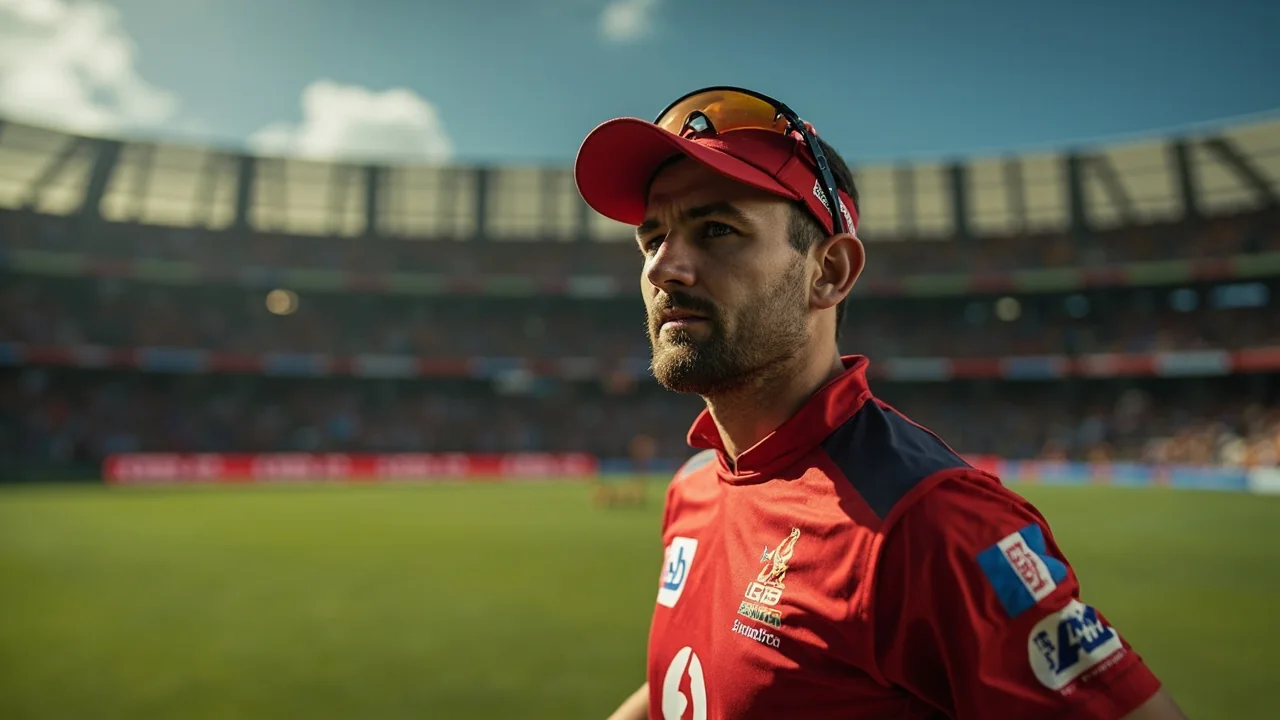
Royal Challengers Bengaluru opener Phil Salt has offered the clearest personal endorsement of the IPL's difficulty from a current title-winning player, calling the league not for the faint-hearted and the hardest T20 tournament in the world. The remarks, published on Yahoo Sports on 6 July 2026, were made in the days after RCB sealed back-to-back titles and reached the league's full range of competitor profiles, from hardened India internationals to franchise-circuit mercenaries.
Salt's case rested on two pillars. The first was the depth of quality across the league, an argument that has been made about the IPL for close to two decades but that, in his reading, has only sharpened as the auction market has grown. The second was the Impact Player rule, the 12-a-side tweak that allows a nominated substitute to step into the XI and reset the course of an innings either way. For a side batting, the rule means a five-wicket collapse is no longer a surrender. For a side bowling, it means a tight spell can be punished by a different match-up altogether.
What Salt actually said
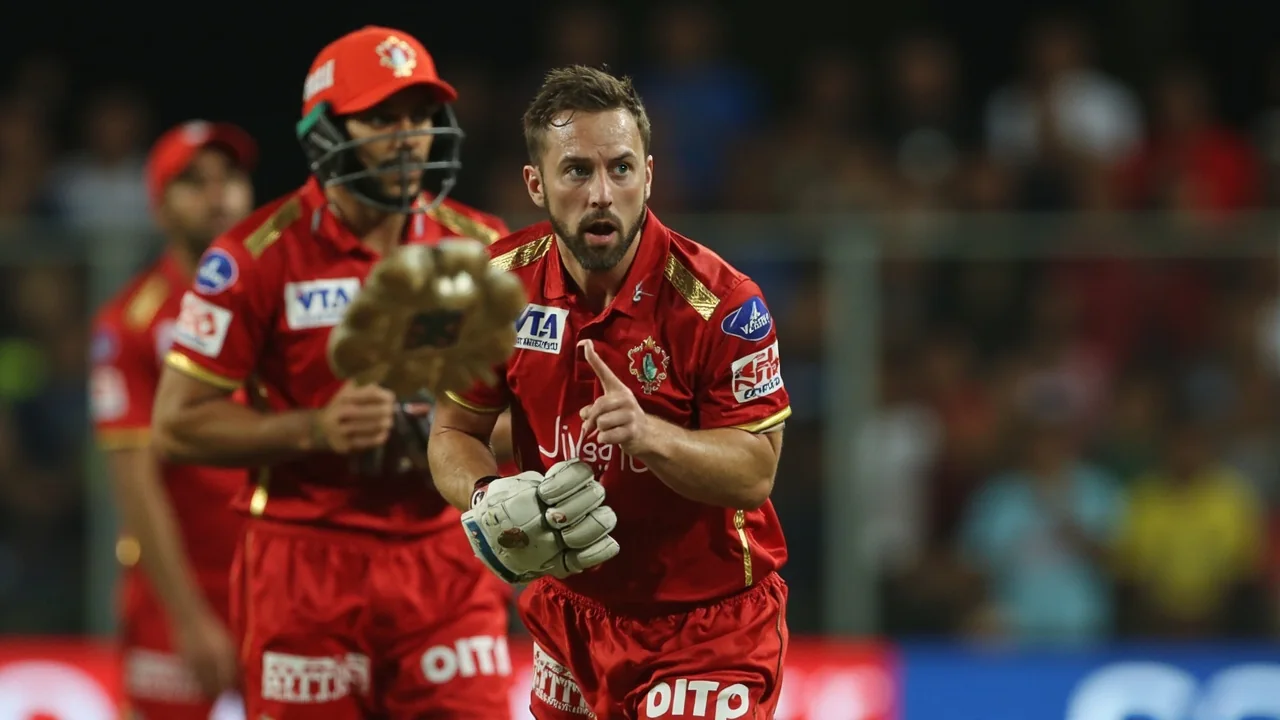
Salt's headline line, as carried by Yahoo Sports, described the IPL as the hardest T20 tournament in the world and not for the faint-hearted. He framed that judgment around the league's depth of quality and skill level, the kind of layered talent pools that produce weekly upsets and make any mid-table side capable of beating the side at the top on a given night.
He then stepped into the rule book. The Impact Player rule, in his words, makes the IPL relentlessly unforgiving. A side five wickets down no longer faces the back end of the innings with the tail exposed; the impact substitute can come in, reset the match-up, and the chase or the defend is suddenly live again. Salt's framing was less about the spectacle of the rule and more about the discipline it demands from a squad over a ten-week season.
Salt's IPL assessment at a glance
- Verdict: IPL is not for the faint-hearted and the hardest T20 tournament in the world.
- Reason given: unmatched depth of quality and skill level across the league.
- Rule spotlight: Impact Player rule (12-a-side) makes the league "relentlessly unforgiving".
- Specific example: a side five down can still face the impact substitute coming in.
- Context: comments made after RCB won back-to-back IPL titles.
- Comparative weight: Salt has played the Big Bash, The Hundred and other T20 leagues.
What the Impact Player rule actually changes
The Impact Player rule allows each IPL side to nominate one player who can be substituted into the XI at any point during the match, regardless of the conventional eleven names already on the field. The nominated player must be on the team sheet, but the entry point is tactical rather than injury-driven. From the bowler's perspective, an over that has been working can be defused by a different batter; from the batter's perspective, a collapse need not end the innings.
Salt's point is that the rule compresses the emotional range of a T20 match. In most T20 leagues, a five-wicket fall with five overs to go is a near-certain loss. In the IPL, the impact substitute can come in ahead of the tail, take the strike, and put the bowling attack back under pressure. The match stays alive longer, and the cost of a single bad over is heavier because the opposition has a clean route back into the contest.
The depth-of-talent argument
Salt's secondary case was about the league's depth. International T20 leagues vary widely in how many teams can genuinely compete on any given night. The IPL, by any historical measure, has the widest spread of credible title contenders, and Salt's comment that the IPL is a long-standing trendsetter in T20 cricket speaks to the same point from a different angle: the league has spent the longest time working out what a high-quality T20 squad looks like.
The depth argument also runs through the auction economy. The IPL's salary cap and auction structure mean that bench players in one franchise would be starters in several other T20 leagues worldwide. That depth spreads pressure across a squad in a way that other competitions, with smaller playing rosters and a tighter talent pool, simply do not match.
Why Salt's cross-league view matters
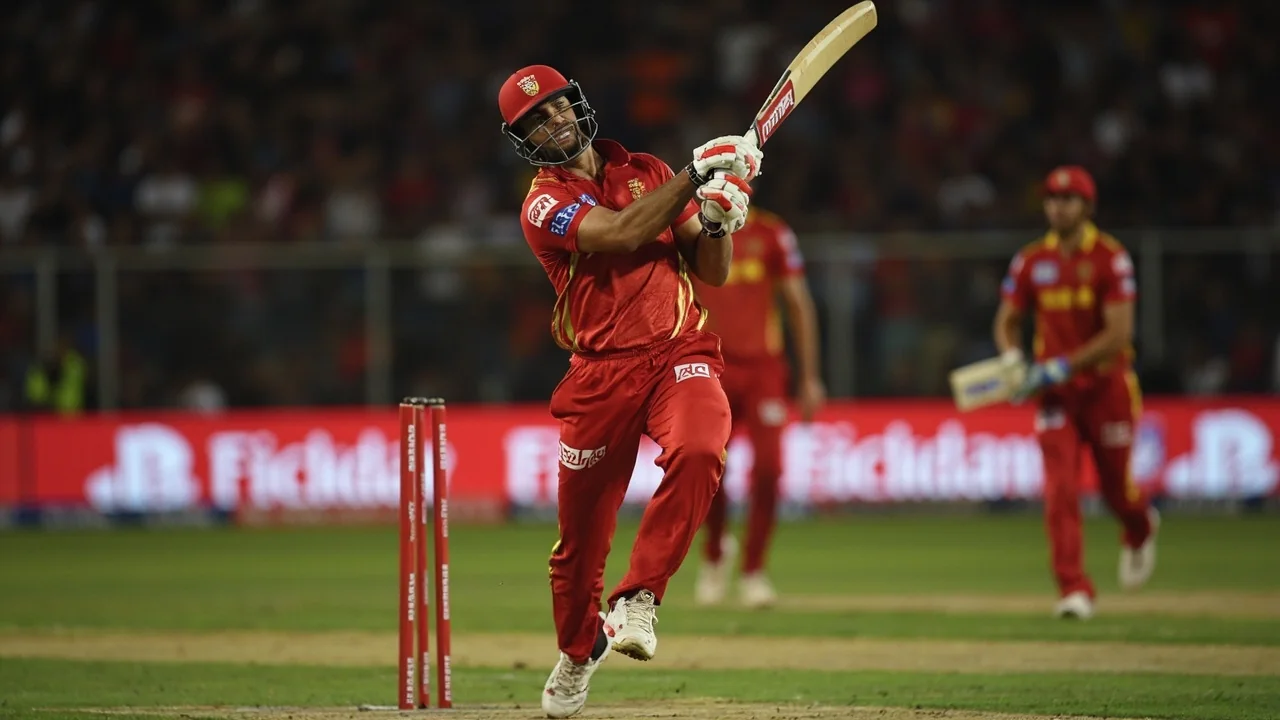
Salt has played across multiple T20 leagues, including the Big Bash, The Hundred and other franchise events. That carries weight because the comparison is not abstract. He has felt the contrast in person, both in the playing rosters and in the tactical latitude available to captains and coaches. The Big Bash and The Hundred have their own strengths, but neither matches the IPL's combination of squad depth, audience size, and live broadcast reach.
For readers who follow the global T20 circuit, the practical takeaway is that Salt's assessment lines up with the way touring India players have described the IPL for years. Theudge is not new. The sharpness of it, delivered publicly by a man who has just completed back-to-back title wins, is what gives the comment its editorial weight.
The RCB context behind the quote
Salt's assessment carries an extra layer because RCB had just won back-to-back IPL titles. The franchise lifted the trophy in 2025 and then defended it in 2026, which is the hardest possible vantage point from which to call a tournament the hardest in the world. He is not speaking from a position of frustration or disappointment; he is speaking from inside the dressing room that has just won the league twice in a row.
That gives the quote a credibility that an outsider's comment would not carry. Salt is telling the reader that even after you have worked out a winning method, the league remains relentlessly unforgiving, and the next opponent is capable of resetting the script. For Think11 fantasy readers, that is also the right way to read the next IPL season: the form cues from the back-to-back title run are useful, but the depth of the league means the sample is small and the confidence intervals are wide.
The Kohli parallel and the sidebar voice
The Yahoo Sports article also carries a separate reference to Salt's rapport with Virat Kohli, framing it in terms of a Manchester City-style comparison. The framing is light, but it points to a real on-field truth: in a high-pressure T20 league, the chemistry between an explosive opener and an experienced middle-order anchor is worth more than the sum of its parts. Salt's endorsement of the league's difficulty, made in the same article, sits comfortably alongside that chemistry read.
For Indian cricket readers, the broader picture is that the RCB dressing room has built a side that knows how to win under the rule book Salt is describing. The combination of an aggressive English opener, an experienced Indian captain, and a deep Indian bowling unit has produced a genuinely stable title-winning unit. That does not make the next season any easier, but it does give RCB a readable baseline for what a championship IPL side looks like in 2026.
What this means for IPL 2026 reading
For fantasy readers and fantasy players, Salt's verdict is a useful frame for the next IPL cycle. The two points he made are also the two points that shape a winning fantasy XI: a wide roster of credible all-round talent that rewards form reading, and a rule book that gives captains and impact substitutes the latitude to change the match-up in a single over. Pick teams that respect both, and the math tends to work.
The broader implication, well beyond one player's interview, is that the IPL's hold on its position as the most-watched T20 league in the world is not accidental. The depth of the talent, the rule book, and the calendar have all been pushed in the same direction over the past decade, and the result is the league that Phil Salt just called the hardest T20 tournament in the world.
The next checkpoint to watch
The next meaningful signal will come when the BCCI publishes the IPL 2027 retention list and auction calendar. The retention list will show whether RCB's back-to-back winning core stays together, and the auction calendar will reset the depth argument that Salt made. Until then, the comment stands as the title-defining verdict of a franchise that has just won two trophies in a row and is better placed than anyone to judge how unforgiving the league really is.
For readers who track the league calendar alongside the IPL news cycle, keep the broader IPL 2026 reporting on Think11 IPL 2026 coverage as the next reference point.
Frequently asked questions
What did Phil Salt say about the IPL?
Salt called the IPL not for the faint-hearted and the hardest T20 tournament in the world, citing the unmatched depth of quality and skill level across the league.
Why does Phil Salt think the IPL is so tough?
He pointed to two factors: the depth of talent across the league, and the Impact Player rule, which keeps a match live even after a batting collapse by allowing a substitute to enter.
When did Salt make these comments?
The Yahoo Sports article carrying Salt's comments was published on 6 July 2026, shortly after RCB completed back-to-back IPL titles.
What is the Impact Player rule?
It is the IPL rule that allows each side to nominate one player who can be substituted into the playing XI during the match, effectively giving the team a 12-a-side tactical layer.
How many IPL titles has RCB won?
RCB have won back-to-back IPL titles, lifting the trophy in 2025 and defending it in 2026.